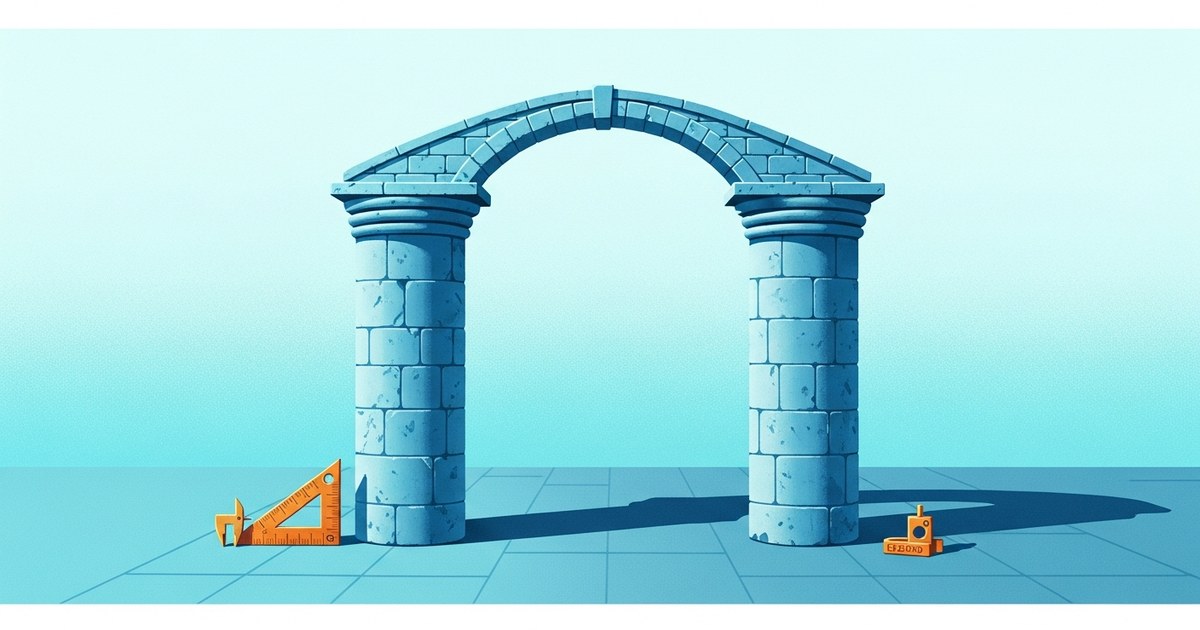
Most organizations approach AI adoption as an either-or decision: either focus on getting the technology right, or invest heavily in training people to use it. This false choice is why so many AI initiatives struggle to deliver their promised value.
What’s the difference between AI training and AI implementation?
Implementation means deploying AI tools, customizing workflows, and integrating systems into your existing infrastructure. Training builds employee capability to use those tools effectively and confidently. Both are absolutely required for real success. Training provides conceptual context and skill-building; implementation provides practical tools. Skip either one and you create confusion, frustration, or expensive unused software.
Successful AI adoption requires both strategic implementation and comprehensive training, working together like two engines powering the same aircraft. You can’t fly with just one. This is a central principle in our AI Literacy & Training offering.
Why Implementation-Only Approaches Fall Short
We’ve seen it countless times. A company invests months selecting the perfect AI platform, customizing workflows, and integrating systems. The technology works beautifully in demos.
Then it goes live.
Employees stare at the new interface like it’s written in hieroglyphics. They click around tentatively, can’t figure out how to get useful results, and within weeks they’re back to their old methods. The AI tool becomes expensive shelfware.
Technology without adoption is just expensive decoration. Even the most sophisticated AI agent can’t deliver value if your team doesn’t know how to partner with it effectively, which is usually why AI implementations fail in the first place.
The implementation-first mindset assumes that good technology sells itself. It doesn’t. People need context, confidence, and competence before they’ll trust AI to augment their work.
Why do you need both AI training AND implementation?
Training alone creates knowledge without application, frustration results. Implementation alone produces unused tools. Together they create synergy: employees understand concepts while gaining hands-on experience. Parallel development lets employees inform implementation while training targets actual workflows. By launch, teams refine familiar skills rather than learning fresh. This combination yields 3x higher adoption.
Knowledge without application creates frustration, not capability. Generic AI training feels academic when people can’t immediately apply what they’ve learned to their real work challenges.
Training-first approaches also tend to focus on broad AI concepts rather than specific tools and workflows. Employees learn about machine learning in theory but can’t write an effective prompt or interpret an AI agent’s output.
The Integration Sweet Spot: Parallel Development
The most successful AI adoptions we’ve guided follow a parallel development model. Training and implementation advance together, each informing and strengthening the other.
Here’s how it works in practice:
While your technical team evaluates and customizes AI tools, your training program introduces employees to core concepts they’ll need. Not abstract AI theory, but practical skills like prompt engineering, output evaluation, and human-AI collaboration.
As implementation progresses, training becomes more specific. Employees work with beta versions of your actual tools. They provide feedback that shapes the final configuration.
By launch day, your team isn’t encountering AI for the first time. They’re refining skills they’ve been developing for weeks.
Building Confidence Through Familiarity
Parallel development transforms AI from a foreign concept into a familiar partner. When employees have hands-on experience before full deployment, adoption barriers drop dramatically.
Instead of wondering “Will this replace me?” they’re thinking “How can this help me do better work?”
Can AI training alone drive adoption?
No. Training without implementation creates knowledge without application, frustration results. Generic workshops don’t prepare for specific tools. Real adoption needs both: training for mindset and skills, implementation for tools. The strongest indicator is employees identifying opportunities independently, only possible when both succeed. Without either, adoption stalls.
Effective AI training isn’t a one-day workshop about machine learning history. It’s an ongoing capability-building program that mirrors your implementation timeline.
Start with mindset, not mechanics. Help people understand how AI augments human judgment rather than replacing it. Address concerns directly. Show real examples from similar roles and industries.
Then move to hands-on practice with the actual tools your organization will use. Generic chatbot training doesn’t prepare someone to use a custom sales agent or content creation workflow.
Progressive Skill Building
Structure training as a progression from basic concepts to advanced applications:
Foundation level: Understanding AI capabilities and limitations, basic prompt techniques, evaluating AI outputs
Application level: Using your specific tools, integrating AI into existing workflows, troubleshooting common issues
Mastery level: Optimizing AI interactions, training others, identifying new use cases
This isn’t a three-day bootcamp. It’s a months-long journey with multiple touchpoints, practice sessions, and feedback loops.
Timing Your Dual Approach
The key to parallel development is strategic sequencing. You don’t need perfect synchronization, but you do need thoughtful coordination.
Start foundational training 4-6 weeks before your planned AI rollout. This gives people time to absorb core concepts without the pressure of immediate application, the 90-day AI adoption timeline shows how this sequencing plays out week by week.
Introduce hands-on practice with your specific tools 2-3 weeks before full deployment. Use pilot groups or sandbox environments where experimentation feels safe.
Launch your AI implementation when employees have basic competency but are still building confidence. The combination of familiarity and continued learning creates momentum rather than resistance.
Maintaining Momentum After Launch
Deployment isn’t the finish line — it’s when real learning accelerates. Post-launch training focuses on optimization and advanced techniques as employees gain real-world experience.
Regular check-ins, advanced workshops, and peer learning sessions help people move from basic proficiency to genuine expertise.
Measuring Success Across Both Dimensions
Success metrics should reflect both technical performance and human capability development.
Track traditional implementation metrics: system uptime, feature utilization, accuracy rates, efficiency gains.
But also monitor capability metrics: training completion rates, skill assessment scores, employee confidence surveys, peer-to-peer knowledge sharing.
The strongest indicator of long-term success is when employees start identifying new AI applications on their own. That only happens when both technology and training have taken root.
Building AI capability isn’t about choosing between great technology or great training. It’s about orchestrating both to create something more powerful than either alone. When your people are prepared and your tools are purpose-built, AI becomes what it should be: a genuine partner in better outcomes.
Related reading: